
A Smart Financial Check Before House Hunting
One of the most common things I see on the mortgage side is buyers eager to jump straight into house hunting — before their financial picture is fully ready. It’s completely understandable. Buying a home is exciting. But skipping the preparation stage often leads to stress, surprises, and deals falling apart once offers are already on the table.
A simple financial health check before shopping can make a huge difference. It helps buyers feel confident, write stronger offers, and move through financing conditions smoothly. It also makes the process easier for realtors, because expectations are clear from the start.
As a mortgage agent working with buyers across Sarnia and Lambton County, I encourage every buyer to complete a basic financial check before stepping into showings.
Understanding Your Financial Standing First
Before buying a home, it’s important to understand where you stand financially. This means looking closely at income, expenses, and existing debt. Reviewing recent pay stubs and bank statements helps clarify what’s coming in and what’s going out each month.
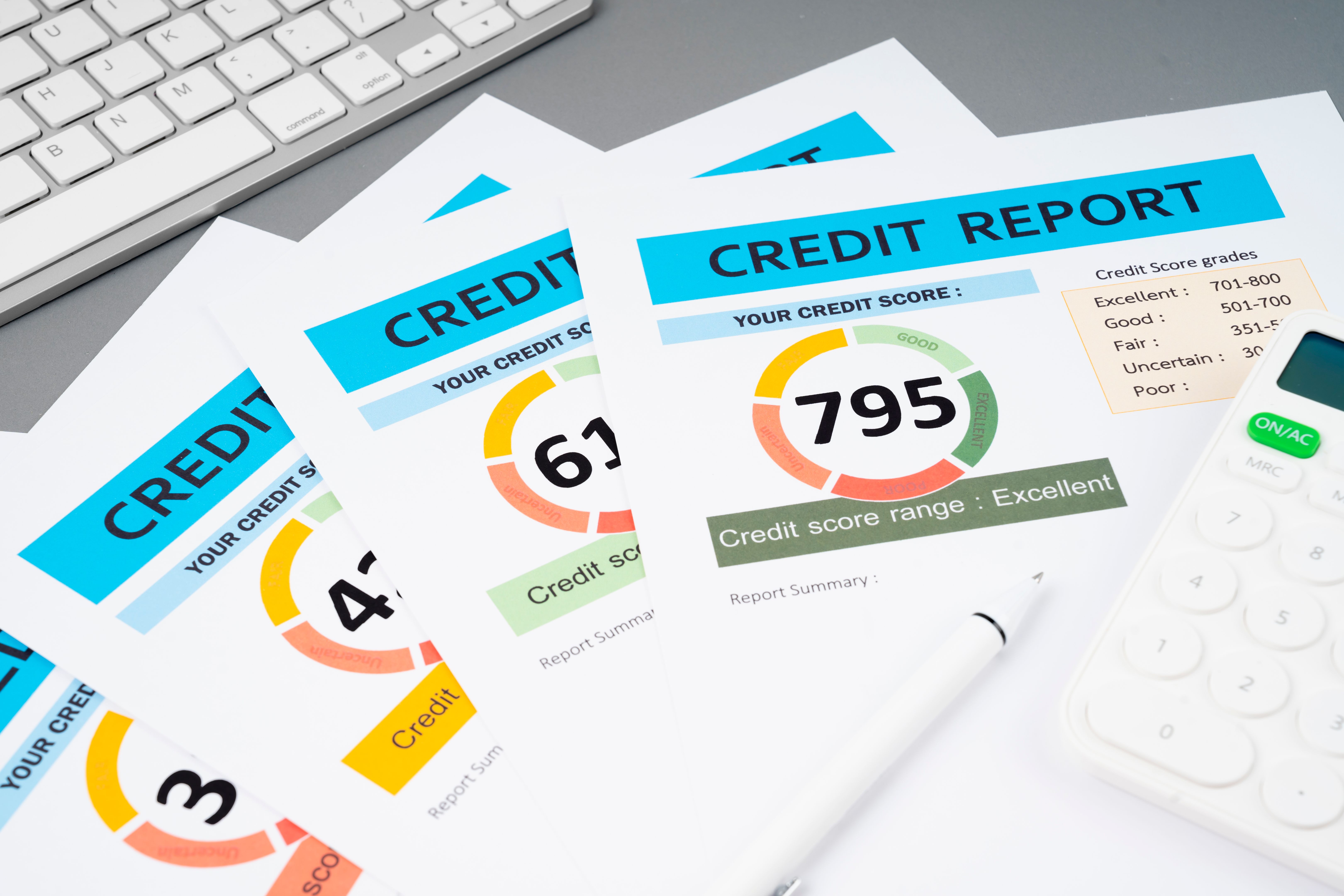
Credit is also a key piece of this picture. Your credit score and credit history directly impact mortgage options and interest rates. Checking your credit early allows time to correct errors, reduce balances, and improve your position before applying for a mortgage.

Creating a Realistic Budget (Not Just an Online Estimate)
Online calculators can be a helpful starting point, but they don’t tell the full story. A proper budget includes more than just a mortgage payment. Property taxes, insurance, utilities, and everyday living costs all matter.
Creating a realistic budget upfront ensures buyers don’t feel stretched once they move in. It also helps set a price range that’s comfortable, not just technically affordable.

Saving Beyond the Down Payment
Many buyers focus only on saving for a down payment, but being financially ready means planning for more than that. Closing costs, legal fees, and land transfer taxes can add up quickly. Having an emergency cushion is just as important.
Setting up a dedicated savings account for home-related expenses can help keep funds organized and on track. Buyers who plan for these costs early tend to move through the purchase process with much less stress.
Understanding Mortgage Options Early
Mortgage preparation isn’t just about numbers — it’s also about understanding options. Fixed and variable mortgages each have their place depending on a buyer’s goals and timeline. Some buyers value payment stability, while others benefit from flexibility.
Learning about mortgage options before house hunting allows buyers to make confident decisions when it’s time to submit an offer, rather than scrambling to understand terms under pressure.

Getting Pre-Approved the Right Way
A true mortgage pre-approval is very different from a quick online pre-qualification. A proper pre-approval includes a full review of income, credit, debts, and down payment. It provides a clear and accurate price range based on real lender guidelines.
This step reduces surprises, strengthens offers, and prevents deals from falling apart later in the process.

Preparing for the Full Cost of Homeownership
Buying a home comes with additional costs that many first-time buyers don’t expect. Beyond closing costs, there may be moving expenses, initial repairs, furnishings, and ongoing maintenance.
Planning for these expenses ahead of time ensures buyers can enjoy their new home without immediate financial pressure.
Building an Emergency Fund Before Buying
An emergency fund is a critical part of being mortgage-ready. Ideally, buyers should aim for three to six months of living expenses set aside, separate from their down payment.
This financial buffer protects homeowners from unexpected events like job changes or repairs and helps ensure mortgage payments remain manageable no matter what comes up.
Why This Preparation Matters for Buyers and Realtors
Helping clients prepare early leads to smoother transactions. It reduces deal fallout, creates clearer expectations, and makes financing conditions easier to satisfy. Most importantly, it positions both the realtor and mortgage agent as trusted advisors — not just transaction facilitators.
When buyers understand their financial picture before shopping, confidence replaces uncertainty.
Final Thoughts
House hunting should be exciting, not stressful. A simple financial check before starting the search can make all the difference in how the experience unfolds.
If you’re thinking about buying — or supporting buyers — preparation is the strongest first step.