
How to Secure the Best Mortgage Rate in Southwest Ontario This Fall
How to Get the Best Mortgage Rate in Southwest Ontario
Buying a home is exciting, but figuring out your mortgage can feel overwhelming. Whether you’re buying your first home in Sarnia, moving in Lambton County, refinancing in Corunna or renewing your mortgage in Chatham or surrounding areas, you probably have one big question:
How do I get the best mortgage rate?
Even a small rate difference can save you thousands of dollars over time. But here’s something many people don’t realize: the lowest rate isn’t always the best mortgage.
Your down payment, credit score, lender and future plans all matter. Let’s break down what you need to know.

1. What makes mortgage rates go up or down?
Fixed and variable mortgage rates work differently.
Variable rates are linked to your lender’s prime rate, which is influenced by the Bank of Canada. When rates change, your mortgage payment or the amount going toward interest may change, depending on your mortgage.
Fixed rates are mainly affected by Canada’s bond market. This means fixed rates can go up or down even when the Bank of Canada doesn’t change its rate.
Lenders also set their own rates. One lender may offer a better deal than another, even if your finances stay the same. That’s why it pays to compare your options instead of looking at just one bank.
2. Does your down payment affect your rate?
Yes! But putting more money down doesn’t always mean getting a lower rate.
Less than 20% down: You’ll usually need mortgage default insurance on an eligible home purchase. This adds a cost, but insured mortgages can sometimes have lower interest rates.
20% or more down: You usually won’t need mortgage default insurance. You may also have more mortgage products to choose from but sometimes these rates are slightly higher.
The best option depends on your numbers.
I also want you to keep some money aside for closing costs, moving expenses and unexpected bills. You don’t want to spend every dollar getting into your home!

3. Your credit score matters
Your credit score can affect which lenders and rates are available to you.
If you’re planning to buy a home, refinance or switch your mortgage, here are a few simple tips:
- Pay your bills on time.
- Keep credit card balances low (aim for under 30% of limit).
- Avoid taking on new debt before applying.
- Check your credit report for mistakes.
Worried about your credit? Don’t assume you can’t get a mortgage. Let’s talk about your situation and see what options may be available.
4. Compare lenders, not just rates
When you go to your bank, you’re looking at that bank’s mortgage options.
As a mortgage agent, I can compare options from different banks, lenders and credit unions, depending on your situation.
One lender may offer a lower rate. Another may have better features or lower penalties if you need to break your mortgage early.
When I review your options, I look at:
- Your interest rate and monthly payment
- The cost of breaking your mortgage
- Your ability to make extra payments
- Your plans to move or refinance
- How the mortgage fits your budget
My goal isn’t just to get you approved. It’s to help you choose a mortgage that works for you.
5. Fixed or variable: which is better?
There’s no one right answer. It comes down to your budget and how comfortable you are with rate changes.
Fixed rate
- Your rate stays the same during your term.
- Your regular payment is predictable.
- Breaking the mortgage early can come with a larger penalty.
Variable rate
- Your rate can move up or down with prime.
- Your payment may change, depending on your mortgage.
- The penalty to break is often three months’ interest.
- If you think you might move, sell or refinance before your term ends, the penalty matters.
Sometimes a slightly higher rate is worth it for more flexibility. We’ll look at the full picture before deciding.
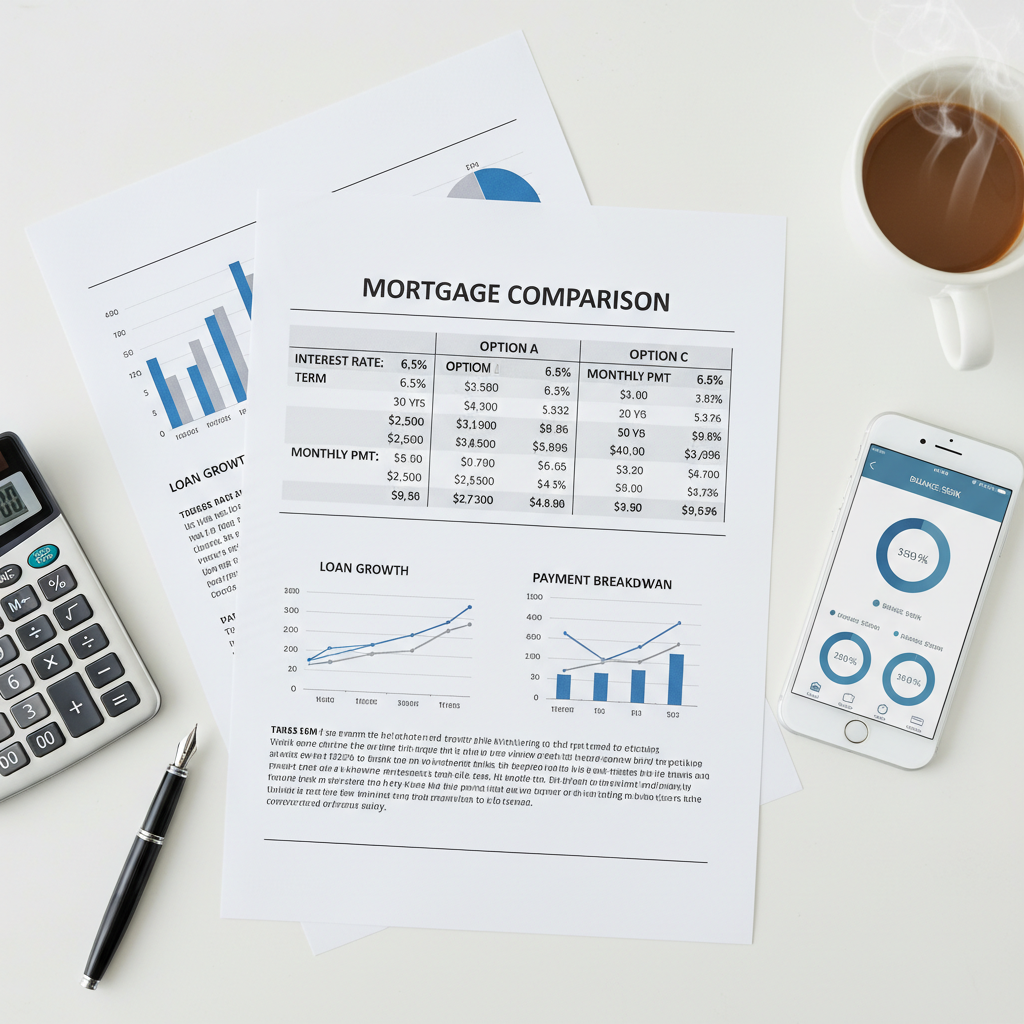
6. Should you wait for rates to drop?
It’s hard to know where rates will go next.
If you’re buying a home, some lenders can hold a rate for up to 120 days. This can help protect you if rates rise while you shop. If a lower rate becomes available before closing, you may be able to take advantage of it, depending on the lender’s terms.
If your mortgage is coming up for renewal, I suggest starting about five to six months early. This gives us time to compare lenders and see what makes sense before you sign your renewal letter.
You don’t need to predict the market. You just need a plan.
7. Can a mortgage agent help you save money?
Sometimes, a different lender can offer a better rate or a mortgage that fits your needs better.
But my job goes beyond finding a rate.
I’ll review your numbers, explain your options and help you understand the pros and cons. I also keep an eye on your mortgage after closing and look for opportunities to save when it makes sense.
For most standard mortgages, you don’t pay me directly. The lender pays me when your mortgage funds. Any fees that apply to certain mortgage types will be explained upfront.
Let’s find the right mortgage for you!
You don’t have to wait until you’re ready to buy or sign a renewal letter to ask questions.
Let’s book a quick call and look at your options. We’ll go over your numbers, talk about your goals and figure out your next step. No pressure, just honest advice.
Ready to get started? Book a call at www.chatwithashley.ca or call 519-339-0883.
I’d love to help!
Ashley Najim
Mortgages by Ashley Najim – Powered by BRX
Serving Sarnia, Lambton County and Southwest Ontario
This article is for general information only. Mortgage rates, lender rules and eligibility can change. Your options depend on your situation.