
Understanding Interest Rates, Penalties, and Smart Mortgage Strategy in Canada
Why the Lowest Mortgage Rate Isn’t Always the Best Mortgage
When choosing a mortgage, it’s easy to focus on one thing: the interest rate. While the rate absolutely matters, it’s only part of the story. Some of the most expensive mortgage mistakes happen when borrowers chase the lowest rate without understanding how that mortgage works — especially when life changes.
A smart mortgage strategy looks at both the cost to get in and the cost to get out, while also understanding how interest rates are actually set in Canada.
Entry Cost vs. Exit Cost: What Most Borrowers Miss
The entry cost of a mortgage is the interest rate. This determines how much interest you’ll pay and directly affects your monthly payment. Lower rates can absolutely mean real savings.
The exit cost is your mortgage penalty — what you’d pay if you break your mortgage early to refinance, sell, or move. This is where many borrowers are caught off guard.
Some mortgages with ultra-low advertised rates come with very restrictive terms and steep penalties, especially certain fixed-rate mortgages. In many cases, a slightly higher rate with a more flexible structure can save thousands if plans change.
Most homeowners don’t keep the same mortgage for the full term — which makes exit costs just as important as the rate itself.
Why Mortgage Penalties Matter More Than Headlines
Life happens. Job changes, family growth, refinancing opportunities, and moves are common. When that happens, penalties become very real.
Fixed-rate mortgages often calculate penalties using an interest rate differential (IRD), which can be expensive and unpredictable. Variable-rate mortgages typically have much lower penalties, often limited to a few months’ interest.
This is why the “lowest rate” mortgage isn’t always the cheapest mortgage.

How Interest Rates Are Set in Canada
Understanding how rates are set helps explain why fixed and variable mortgages behave differently.
The Role of the Bank of Canada
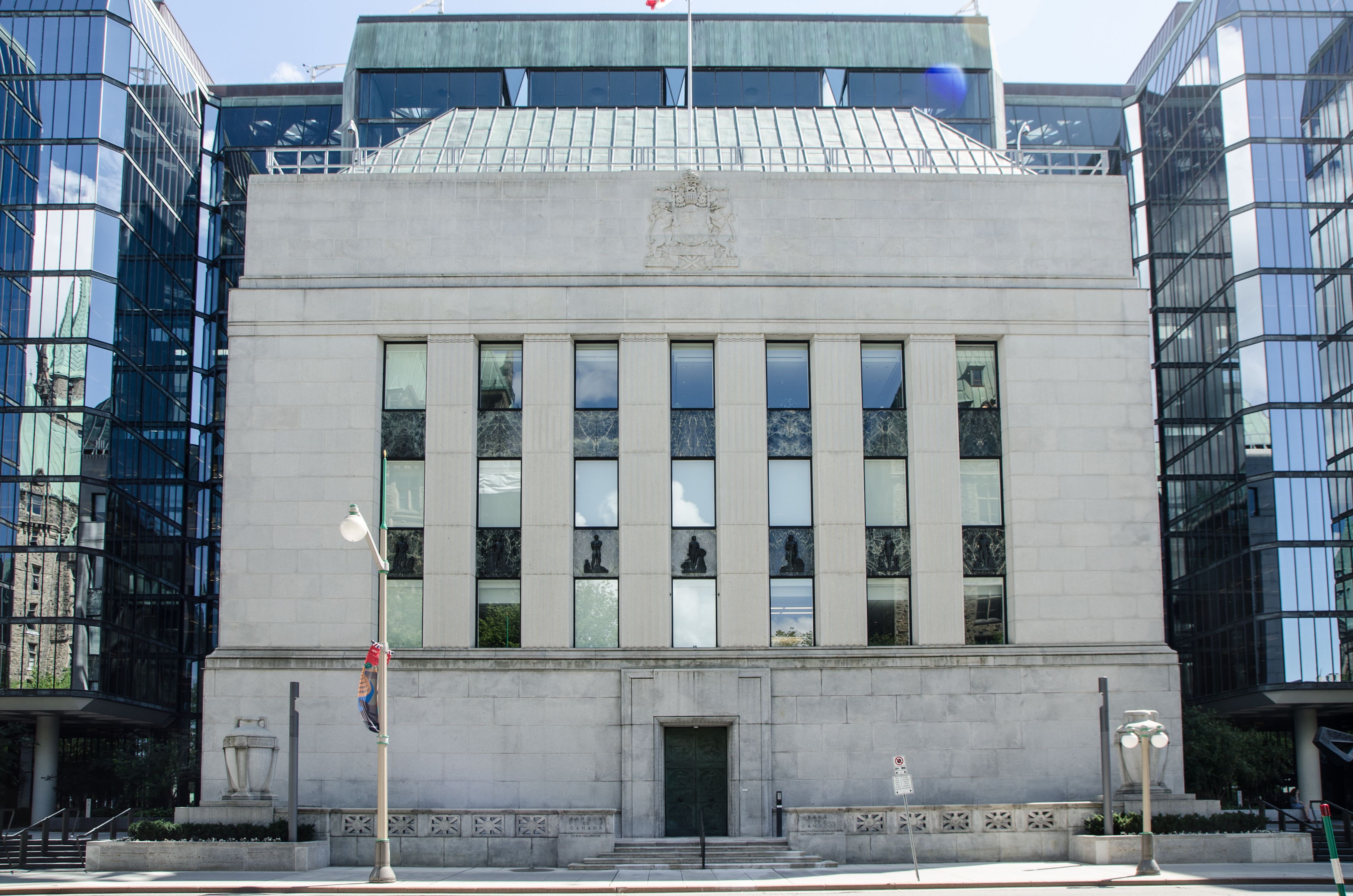
The Bank of Canada, established in 1934, is Canada’s central bank and is responsible for monetary policy. Its main tool is the overnight lending rate, which influences borrowing costs across the economy.
The Bank of Canada’s primary goals are:
- Keeping inflation low and stable (around 2%)
- Supporting sustainable economic growth
When the Bank of Canada raises or lowers the overnight rate, it directly impacts variable mortgage rates and other lending products tied to prime.
What Influences Bank of Canada Rate Decisions
Several key factors affect interest rate decisions in Canada:
Inflation:
If inflation rises too quickly, the Bank of Canada may increase rates to slow spending. If inflation is too low, rates may be reduced to stimulate the economy.
Economic Growth and Employment:
Strong economic growth and job markets can lead to higher rates, while slowdowns may lead to rate cuts.
Global Economic Conditions:
Canada’s economy is influenced by global trade, geopolitical events, and the performance of major trading partners like the U.S. These factors can indirectly affect rate decisions.
Exchange Rates:
The value of the Canadian dollar impacts imports, exports, and inflation, which the Bank of Canada considers when setting rates.

Fixed vs. Variable Rates: Why They Move Differently
Variable mortgage rates are directly influenced by the Bank of Canada’s overnight rate. When the Bank changes its rate, variable mortgages usually adjust shortly after.
Fixed mortgage rates, however, are driven by Government of Canada bond yields, not the Bank of Canada directly. Bond markets reflect investor expectations about future interest rates and inflation, which is why fixed rates can rise or fall even when the Bank of Canada hasn’t made a move.
This explains why fixed and variable rates don’t always move in the same direction.
Term Length and Mortgage Strategy
Mortgage strategy isn’t just about fixed versus variable — term length matters.
Shorter terms (1–3 years) often offer more flexibility but sometimes come with slightly higher rates. Longer terms (4–5 years) provide payment stability but can be more restrictive if you need to make changes mid-term.
Variable mortgages often appeal to borrowers who value flexibility and lower penalties, while fixed mortgages suit those who prioritize payment certainty.
The right choice depends on your goals, risk tolerance, and future plans — not just today’s rate.

The Bottom Line: Strategy Beats Rate Shopping
Interest rates are important, but they’re only one part of a good mortgage decision.
A strong mortgage strategy considers:
- Entry cost (interest rate)
- Exit cost (penalties)
- Rate type and term length
- Flexibility if life changes
- How rates are set and why they move
The best mortgage isn’t always the one with the lowest rate — it’s the one that fits your life today and still works tomorrow.
If you’re curious whether your current mortgage still makes sense, or how today’s rates align with your long-term plans, a review can bring clarity and confidence. Understanding the “why” behind rates — not just the number — puts you in control.